With the rapid growth in demand for renewable energy, biomass carbonization machines are playing an increasingly crucial role in the environmental protection industry. These machines use high-temperature, anaerobic processing to convert raw materials such as sawdust, straw, bamboo, and fruit shells into stable biochar, achieving both resource reuse and environmental protection. As one of the most common environmental protection devices manufactured in China, carbonization machines are rapidly expanding their influence in the global market.
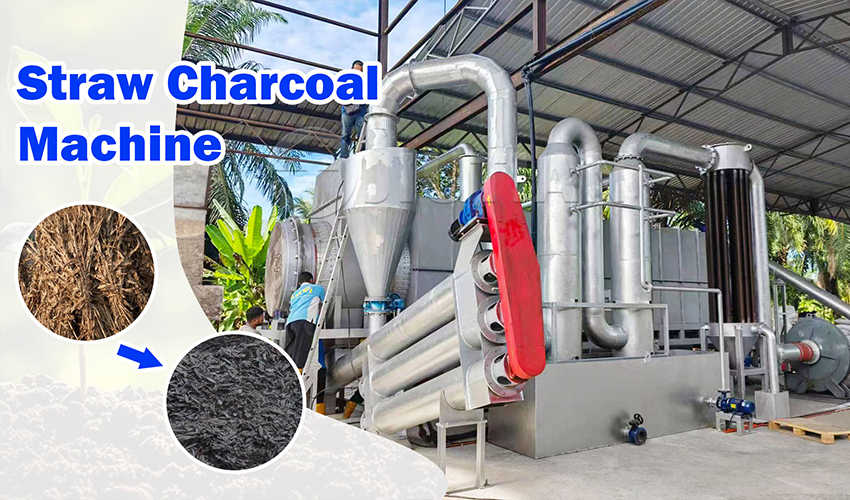
The core advantage of carbonization machines lies in their ability to reduce the volume and increase the value of large quantities of agricultural and forestry waste. The carbonized charcoal product is easier to store and transport and can be applied to soil improvement, new fuels, and industrial adsorption materials. This gives previously difficult-to-process waste biomass new commercial value and improves the efficiency of the industrial chain.
Driven by the "dual carbon" goals and the development of green industry, continuous carbonization furnaces are being adopted by more and more companies to reduce emissions, reduce energy consumption, and optimize production structures. Biomass carbonizers not only meet energy conservation and emission reduction requirements but also provide enterprises with new resource solutions.
In the future, biomass carbonizer equipment will develop towards automation, energy efficiency, and large-scale production. With continued policy support and increasing international market demand, biomass carbonization equipment will undoubtedly occupy a more important position in the green economy.
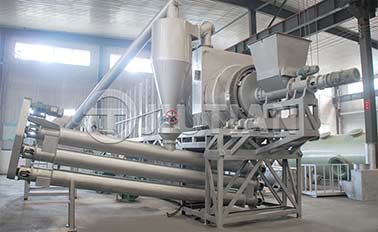
Location:Indonesia
Project Progress:Put Into Production
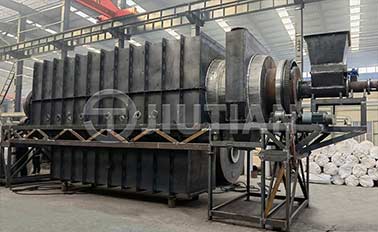
Location:Vietnam
Project Progress:Put Into Production
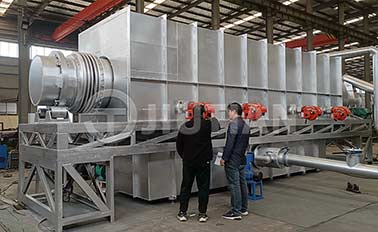
Location:Kenya
Project Progress:Put Into Production
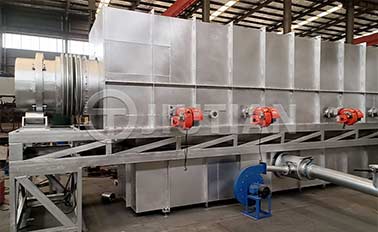
Location:Canada
Project Progress:Put Into Production
Zhengzhou Jiutian Technology Machinery Co.,Ltd. Sitemap