With the advancement of global environmental policies, the reuse of biomass resources is becoming an important direction in the energy and environmental protection fields. Biomass carbonization equipment, as a crucial link connecting waste resources with high-value-added products, is gaining increasing attention from more and more enterprises.
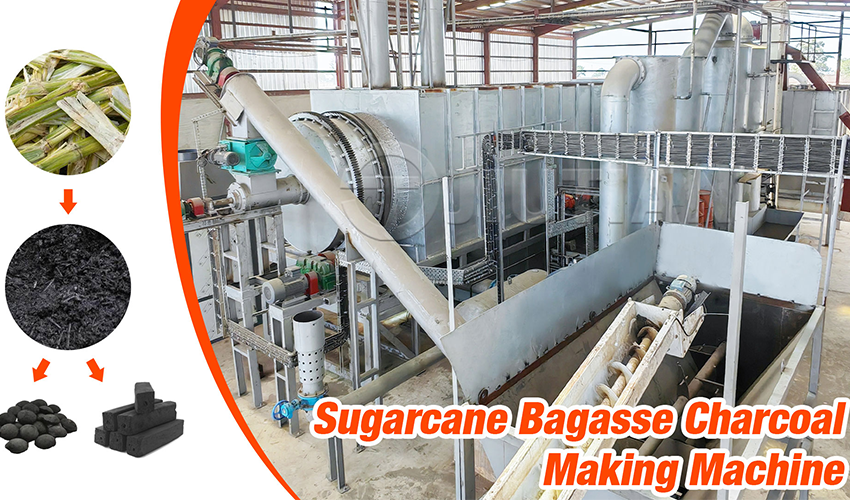
This equipment can process various biomass raw materials such as straw, wood chips, fruit shells, coconut shells, and coffee grounds, converting them into biochar through a high-temperature, oxygen-deficient environment. This not only significantly reduces volume but also effectively increases energy density. The resulting biochar products are widely used in various fields such as fuel, soil improvement, and filtration materials, possessing excellent market potential.
The biomass carbonization equipment features a compact structure and stable operation, suitable for continuous production and capable of meeting large-scale processing needs. Through the rational configuration of feeding, cooling, and collection systems, efficient continuous operation can be achieved, helping enterprises reduce labor costs and improve overall production capacity.
In the context of "dual carbon" goals (carbon peaking and carbon neutrality), biomass carbonization equipment has become an important component of the resource recycling industry chain, creating economic benefits for enterprises while also contributing to environmental protection.
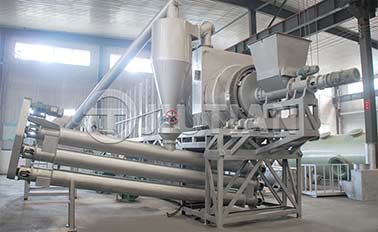
Location:Indonesia
Project Progress:Put Into Production
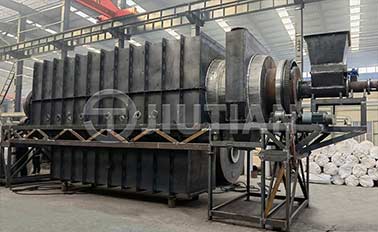
Location:Vietnam
Project Progress:Put Into Production
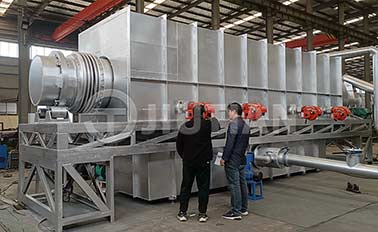
Location:Kenya
Project Progress:Put Into Production
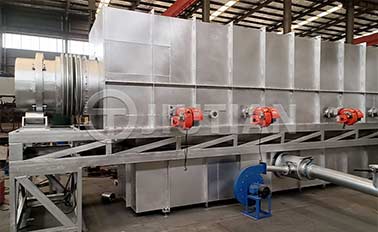
Location:Canada
Project Progress:Put Into Production
Zhengzhou Jiutian Technology Machinery Co.,Ltd. Sitemap