Jute stalks are a major byproduct of the jute textile industry. Previously, most stalks were burned or discarded, causing smoke pollution and resource waste. Our horizontal carbonization furnace adopts low-oxygen pyrolysis technology. With its horizontal rotating cylinder design, jute stalks are heated evenly inside the chamber, avoiding incomplete carbonization and local overburning common in traditional vertical kilns.
The combustible gas generated during carbonization is recycled to supply heat for the furnace, cutting external fuel consumption and lowering running costs. After pyrolysis, jute stalks are transformed into uniform biochar. This charcoal can be used for BBQ fuel, carbon-based fertilizer raw material, industrial adsorbent, and solid fuel.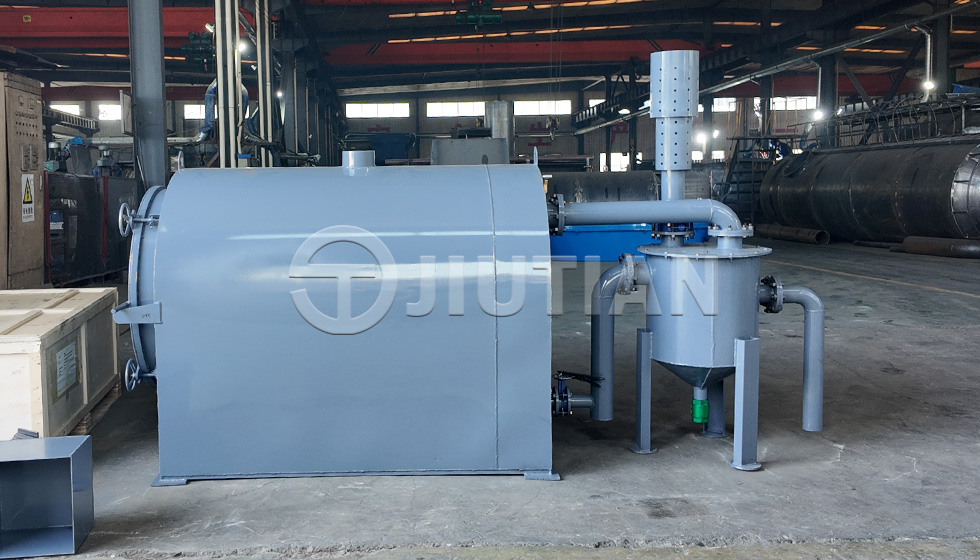
The horizontal machine suits both small-scale and mid-sized biomass factories. It features stable operation, easy feeding and discharging, and smokeless treatment. By turning jute stalk waste into saleable charcoal, the equipment helps local processors add extra income while reducing open burning pollution and supporting circular biomass economy.
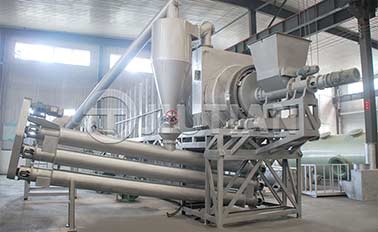
Location:Indonesia
Project Progress:Put Into Production
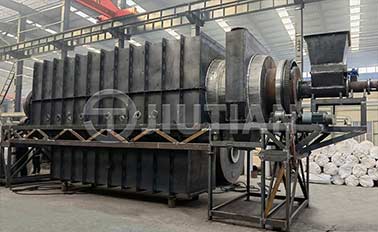
Location:Vietnam
Project Progress:Put Into Production
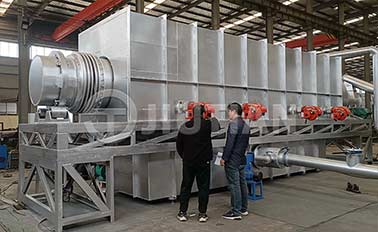
Location:Kenya
Project Progress:Put Into Production
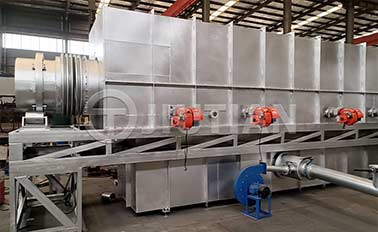
Location:Canada
Project Progress:Put Into Production
Zhengzhou Jiutian Technology Machinery Co.,Ltd. Sitemap